On July 5th, the group and I made it to Rangely and the highly recommended Farmhouse hostel. We were covered in grime from the trail, and tired. Southern Maine had beaten the hell out of us. 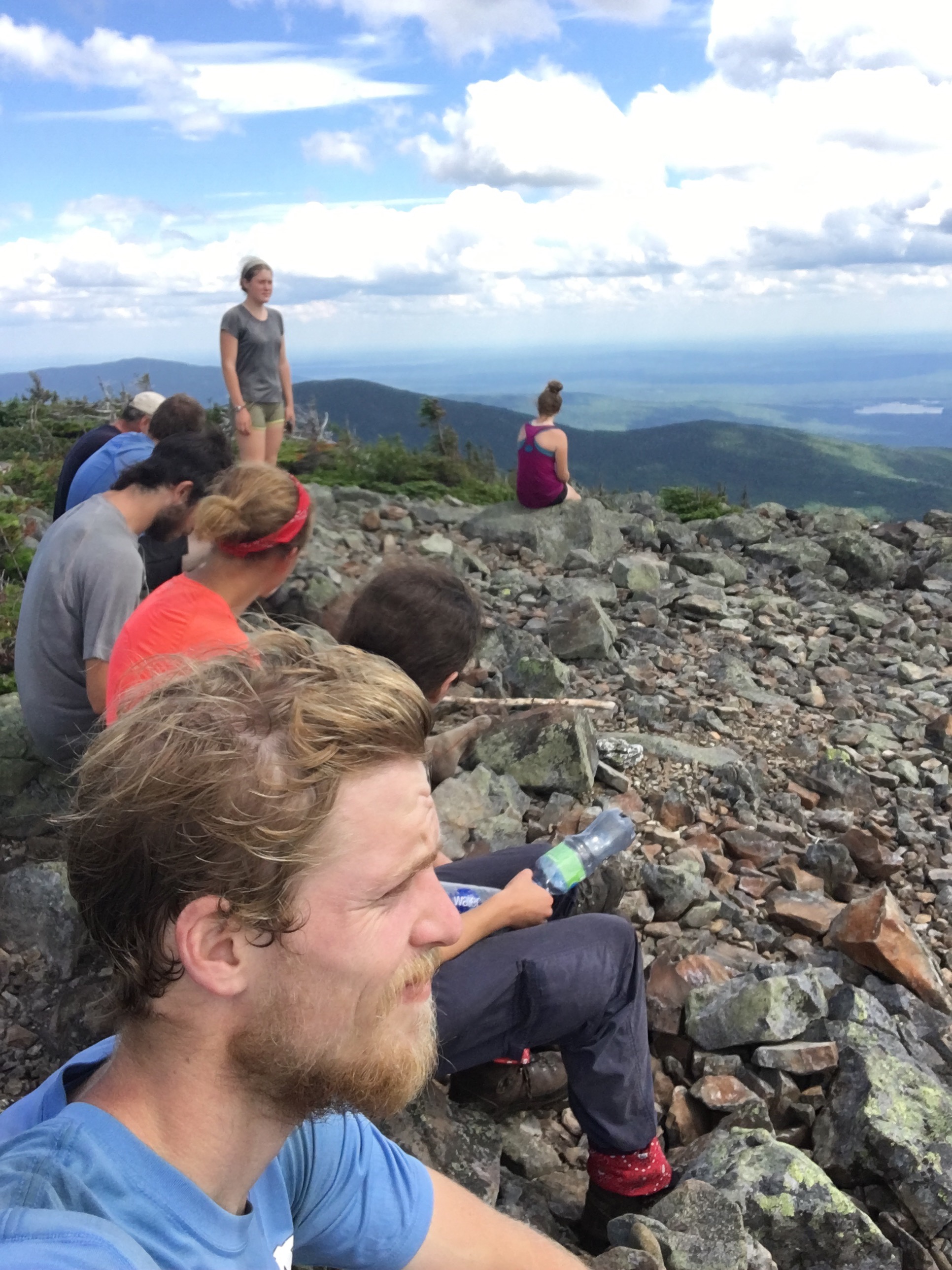
The Farmhouse wasn’t quite a farmhouse in the typical rough-cut-livin’ kind of way, but there was a Bobcat digger out back and the family pet was a pig named Pearl so most of us were sold. Besides, water came smooth from every tap and showerhead. That was enough to make me happy. I’d expected a hand pump or a well situated somewhere in the yard.
After a wash we were ferried into town. The premise was a quick resupply at the grocery store, but hikers don’t tend to stick to the tasks at hand when surrounded by restaurants, libraries with wifi, and ice cream shops. We wandered for a while, because that’s what we’ve become good at, and then piled into our host’s suburban for the ride back. A guy dressed in Scooby Doo pajama bottoms was already in the trunk with a beer. But we’d come too far and seen too much in the past months to be overly surprised by that. Just another friend of the farmhouse, we guessed.
After a “homemade” dinner (in a place far from home) of steak, pasta, salad, and risotto (a team effort in the tiny guest kitchen) we moved to a ring of chairs outside on the lawn.
It’s a cool northern night and we fill it up with talk, shared experiences, “Hey, remember when…?” and laughter. No one complains of the cold.
Later though, when the jokes and laughter have come and gone there’s heavy silence. As if they’ve all understood at the same exact moment that none of this can last. No one meets my eyes anymore.
And I almost laugh again, this time out of helplessness. Because even these people, people who spend all their time walking forward, never stopping, skipping from one town to another, saying goodbye to one person in order to say hello to the next, even these people are overwhelmed by this human desire to cling to the past.
“It’s gone,” I want to say. “It’s all gone. It’s passed. You can’t go back.”
But I don’t. Because most people can’t see past the negative connotations of those words. They hear that and think they’ve been robbed. “You mean I won’t ever get that experience again!?” as if they owned the damn thing. As if it were a dog locked in a cage only there to be played with on a rainy day. A warm furry thing whose sole purpose is to cheer them up.
People don’t want to hear that a good thing that disappears is gone forever. They want to fix it in stone, relive it a thousand times in memory, preferring the stability of past pleasures to the “anything-can-happen” uncertainty of the present.
But that’s not how the world works. It’ll keep spinning no matter how hard you hold on to the ground. What it gives it can take away. That’s the price of life. Impermanence. Your body gets old, your beliefs change, people that once were close can drift away. Everything always changes.
The friends sitting around me on a chilly night in a small Maine town are afraid of that. They have trouble seeing that impermanence as a gift rather than a curse. It’s a problem a lot of us have.
I want them to see the passing of the moment and think: today was good. But now it’s got to end. And tomorrow might be better, or it might be worse, but the really important thing is that it will be a different from today. And it will require me to be different than I am today.
I want them to see that they’d be no better than robots if life never changed or threw a curveball their way or took their time away. I want them to see that if they got their way and life became some fixed, predictable, purely good thing devoid of all “bad” they’d be trapped in paradise. In that place they’d eventually figure out how to live the best life possible and then they’d stick to that formula like a program to its binary coding, ticking along, never questioning, never changing, whiling away the days in a clockwork routine and living so easily, so pleasurably that pretty soon they’d forget what pleasure actually was, as it would now just be the new status quo, the standard state. Later they’d tell their kids, “That’s just how things are.” And their kids would grow up and all be exactly the same, living perfect lives without pain, crossing their t’s and dotting their i’s, and they’d never have any adventures or ever be surprised. And that’s no way to live.
I want these people around me, these people that I’ve grown to trust and care about, to see that way they live is a creative act and they’re shorting themselves by trying to hold to a fixed system. Impermanence is spontaneity, motion, life.
When everything is always changing you don’t have the option to function on autopilot. You’ve got to be engaged. Otherwise you crash.
“Let it go.” That’s what I want to say to the downcast eyes around me. But I don’t. Because they’d misunderstand.
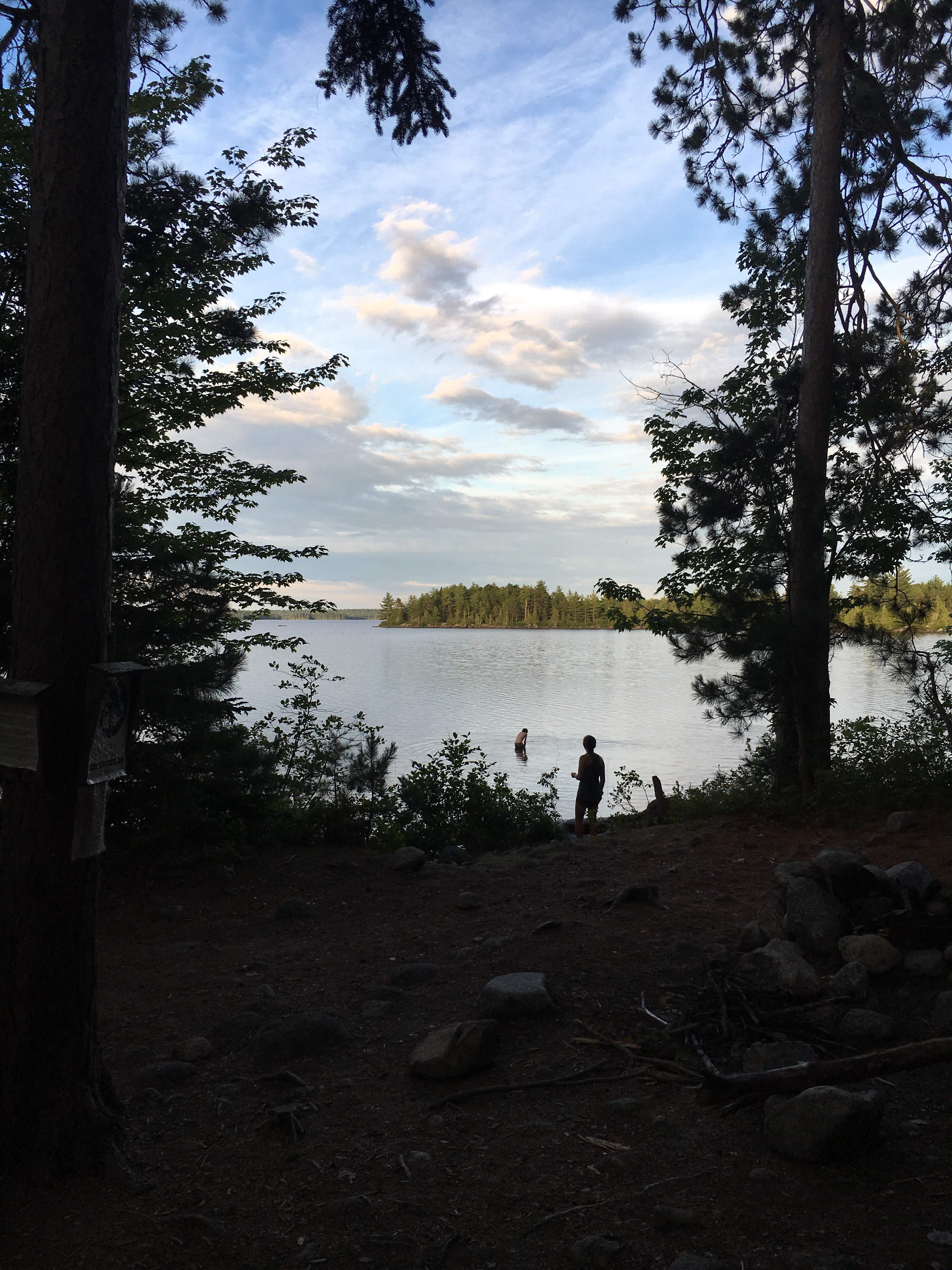
One day I’ll figure out a way to show someone this, let them see it for themselves. Because there’s always a place words can’t reach, an understanding that words can’t teach. And this is one.
— Nomad
 Pensive Nomad
Impermanence. A great study when I spent time with the Buddists a few years ago
You continue to write beautifully.
LikeLike